The first time you stand in front of a snow block, it looks like a blank sheet of paper — until you press a knuckle into it and the surface gives slightly, like a hard sponge. An ice block answers differently. It rings back, cold and indifferent. Both are frozen water, both are carved with tools you can carry in two hands, and yet the habits that make a good snow carver will slow you down on ice, while the fussy precision that saves an ice sculpture will make you timid in snow.
What follows is a working comparison: how each material responds to a blade, what you need on site, how long the finished piece survives, and where beginners tend to have an easier first season. Neither material is better. They reward different temperaments.
Workability: How Each Material Answers the Blade
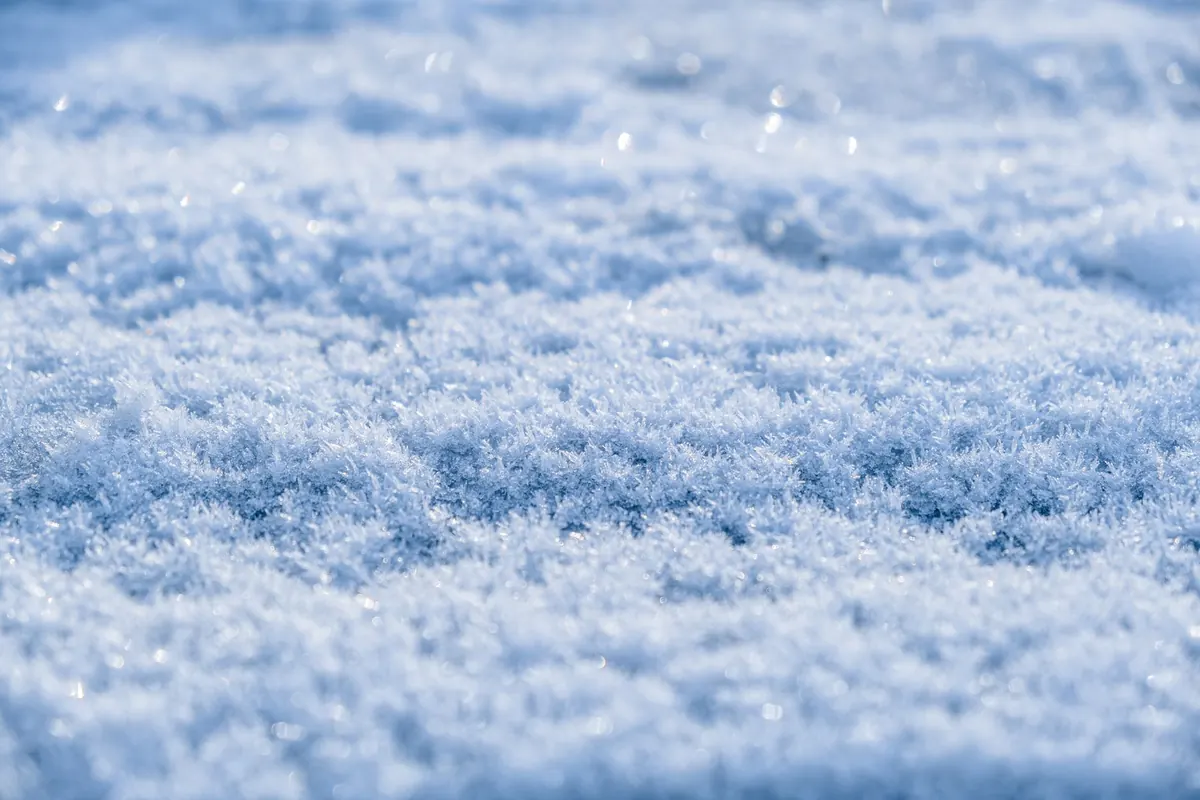
Snow is granular — a mass of crystals packed together with air in between. A saw goes through it like a knife through firm cheese, fast, throwing a spray of white crumbs. You remove material in shovelfuls rather than chips, and the work is more about big gestures than small ones. You can also put material back. A bucket of slush, or a handful of snow pressed hard into a hollow, will freeze into place overnight and become carvable again. That single fact explains why snow is forgiving: a wrong cut is a detour, not a disaster.
The trade-off is detail. Snow grains crumble at the edge, so a thin whisker of snow is fragile in a way that surprises people who are used to clay or wood. Design so the silhouette does the work — broad masses, clear negative space, edges no thinner than a thumb. If a shape needs to read from thirty metres away in flat winter light, snow will carry it.
Ice is dense and brittle, closer to glass in temperament. A cut is permanent; you cannot add the piece back, only reshape the whole. Lean on a chisel and the ice may shear off a slab you did not plan for. In exchange, ice holds an edge snow cannot dream of. You can polish it to optical clarity with a torch or a warm iron, carve a detail down to a few millimetres, and let light travel through the finished form. The rule of thumb that stuck with me: in snow, build the shape and then refine it; in ice, decide and then cut.
Tools, Setup and the Space You Need
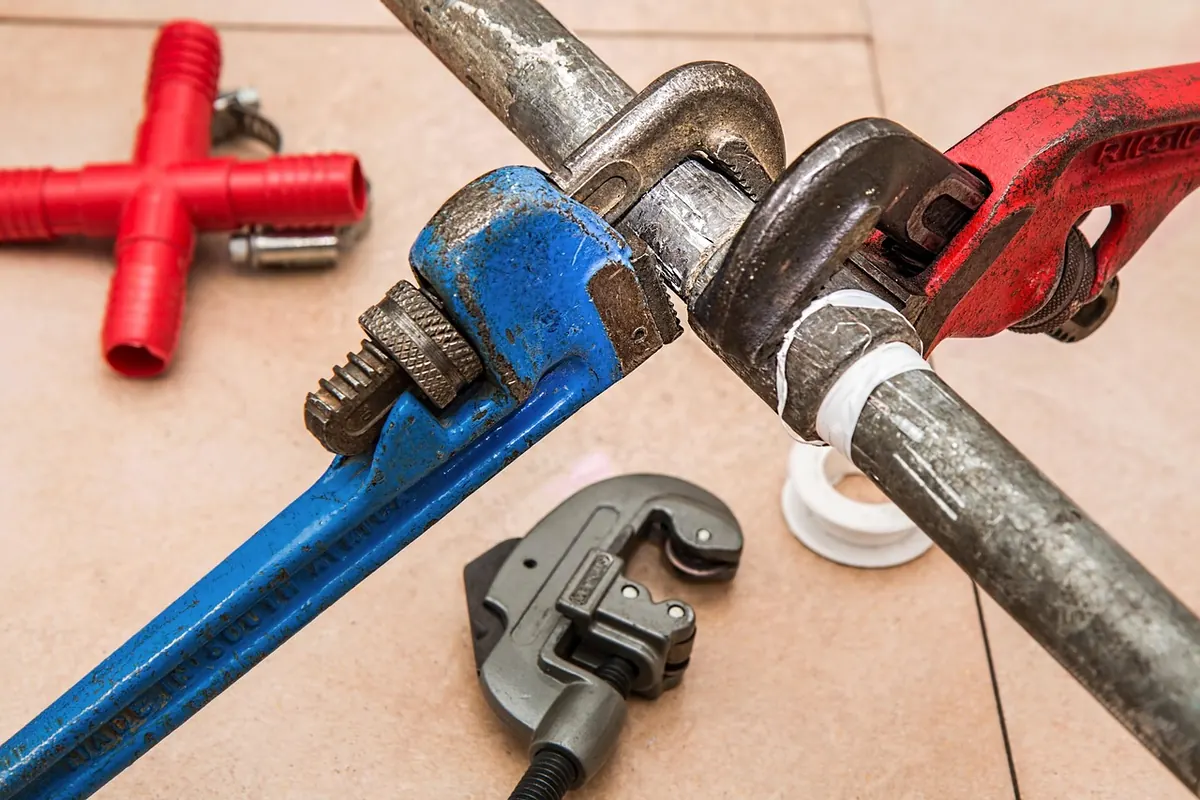
The toolkits overlap less than people expect. Most snow tools can be bought at a hardware shop or borrowed from a garden shed; ice tools lean toward power equipment and cost more.
Snow carving basics
- A handsaw with a coarse blade — a pruning saw or an old wood saw is ideal
- A snow shovel, a scoop and a garden trowel for bulk removal and shaping
- A surform or wood rasp for smoothing and knocking down ridges
- A spray bottle of water for slush joins and surface setting
- A sled or toboggan for hauling snow and clearing spoil
- A step ladder, a stiff brush, and gloves that stay flexible when damp
Ice carving basics
- An ice saw, or a chainsaw used only with proper instruction
- A die grinder with burrs for detail and hollowing
- Chisels and a wooden mallet — chip, never lever
- A torch or heated iron for polishing and for welding pieces together
- Ice tongs, non-slip boots, and a plan for where the meltwater goes
Site matters as much as steel. Snow wants flat ground, shade, and room to throw spoil without burying your own path. Ice wants below-freezing air or a freezer, a floor that tolerates water, and enough space that a dropped block does not end up on your foot.
Durability and the Clock
Snow insulates itself. In a block a couple of metres tall, the core stays cold even when the surface is softening, which is why big pieces hold their shape longer than small ones. Still, direct sun rounds off every crisp edge you cut, and rain can undo a day's work in an afternoon. A shaded sculpture in dry cold can stand for days or a few weeks; a detailed face may lose its expression within hours of the sun reaching it. Work in the shade, plan the fine work for the coldest part of the day, and accept that the piece is a temporary event rather than an object.
Ice melts more slowly in bulk but changes character. Clear blocks fog, crack along internal stress lines when temperatures swing, and lose their sparkle in sun. That is why competition pieces are often carved at night or inside chilled tents, and why carvers keep spare blocks in a freezer. The practical difference for a beginner: you can store ice; you cannot store snow.
Scale, Light and What Each Material Lets You Say
Snow is opaque, white and matte. Light arrives from the side and stays there, so form is read through shadow. That suits large volumes, stacked sections and architectural shapes, and it lets you work at a scale — several metres tall, built up with packed frames — that ice rarely allows.
Ice is transparent, and that changes the whole design problem. You can carve from the inside, embed objects, light a piece from below and watch it change through the day. What you cannot do is rely on mass alone: thin sections snap, joints need welding with water, and a sculpture needs a structure you can actually move. Snow invites you to think like a sculptor of monuments. Ice invites you to think like a jeweller with a chainsaw.
So Which Should You Try First?
For most people, snow. It is cheaper, more available, more forgiving, and the tools are the ones already in the garage. You learn proportion, negative space and how to remove material decisively — lessons that transfer directly to ice later. Mistakes can be patched, and a first piece can be a modest two-person block in a back garden.
Choose ice first if you have access to a freezer or a cold workshop, a mentor who can teach you safe chainsaw use, and an appetite for precision over volume. Ice is also the better first material if you want something you can keep, move or display indoors. People who enjoy planning, measuring and finishing will take to it quickly; people who enjoy building will miss the shovelfuls.
A Sensible First Winter
Start with one small snow block rather than a heroic one. Pack snow into a plywood box or a large bin, water it lightly, let it freeze for a day or two, strip the form and carve with a saw and a trowel. Finish a piece before you start a second; the lessons come faster that way. If ice pulls at you, book a short workshop before buying a chainsaw — an afternoon of instruction is worth more than a season of guessing.
Cold and sharp tools deserve respect. Work with a partner, keep your footing clear of spoil and meltwater, warm up regularly, and never run a chainsaw while tired. If you have a heart condition, poor circulation or any concern about long hours in the cold, speak to a doctor before making a weekend of it. Then pick your material, sharpen what you have, and get out there while the temperature holds.
Photo: eventoplena / Pixabay